


By Web3.Art.Blog.NFT
Private, end-to-end encrypted email is here and it’s Unstoppable. I can now use my Unstoppable NFT Domain as my email address on Skiff and this is revolutionary!
It’s Web3 history and a great leap towards Self Sovereign Digital Identity Ownership, where internet users will own their identity and data.
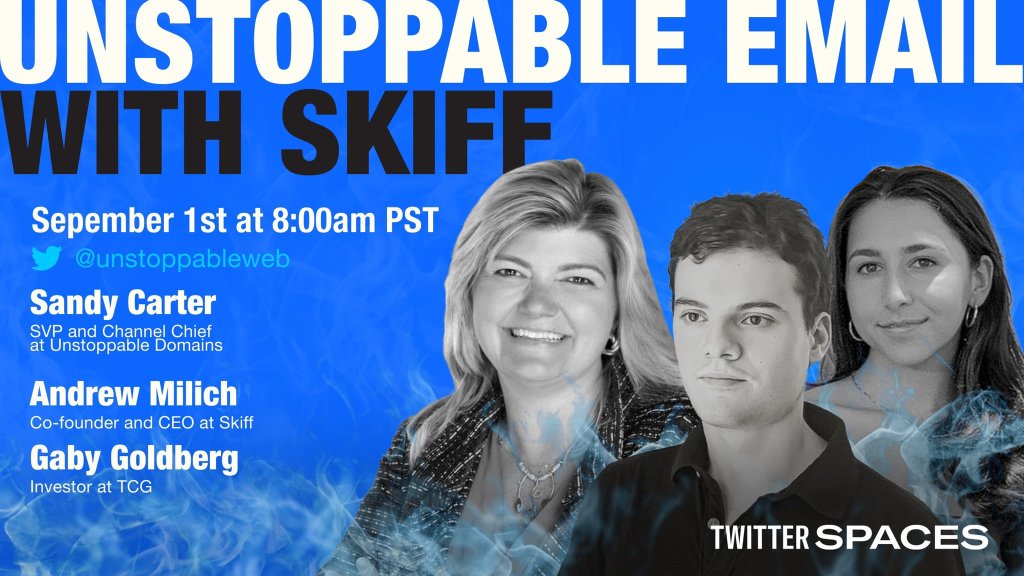
We caught up with the busy Skiff Co-founder and CEO, Andrew Milich and he gave us the 101 of Private, end-to-end encrypted email and why you should start using it.
Of course you will need an NFT domain to set up your email and you can buy one here for as little as $5.
The motto for Skiff is “be a producer, not a product” Would you kindly explain this profound statement for the uninitiated and tie that into the Skiff origins story, mission and products?
Skiff’s mission is to build privacy-first, end-to-end encrypted, wallet-native prodcuts for communication and collaboration. My personal path towards Skiff started as a privacy-leaning engineer who had spent time working in lots of different places around the world and facing a personal need for private, secure products. I was also an early believer in decentralized storage and the data ownership concepts now promoted by Web3. I started working on Skiff’s end-to-end encrypted collaborative product, working with Jason (our CTO and Co-Founder), and getting incredibly excited about the ecosystem of private messaging apps, cryptocurrencies, browsers, and more that are becoming very popular.
What does open source email mean and why is it important?
Open-source products are extremely important for credibility and trust in privacy, consumer prodcuts, and Web3. Open-sourcing our product and codebase allow everyone who uses or may use our product to better understand how it works and the technologies used to make Skiff function, including the encryption inside our product, the way the inbox loads, and more. We see open-sourcing as a means to build trust, increase community engagement in our products, and support other open-source communities.
What does end to end encryption mean and how and why is that good for email users and the future of web3?
End-to-end encryption means only you can see your data, and the platforms you use never have access to it. Without end-to-end encryption, every user is required to trust the company, developers, and policies for every product they use – trusting people and an organization not to read, use, or monetize your data. End-to-end encryption makes using your data impossible by keeping it private to you. So, we see end-to-end encryption as one of the core reasons for building Skiff, which allows for end-to-end encrypted email, collaboration, file storage, and more.
Skiff is the first email platform in the history of the internet to integrate with Unstoppable NFT Domains. Could you please explain how this amazing partnership came about and why this is a web3 game changer?
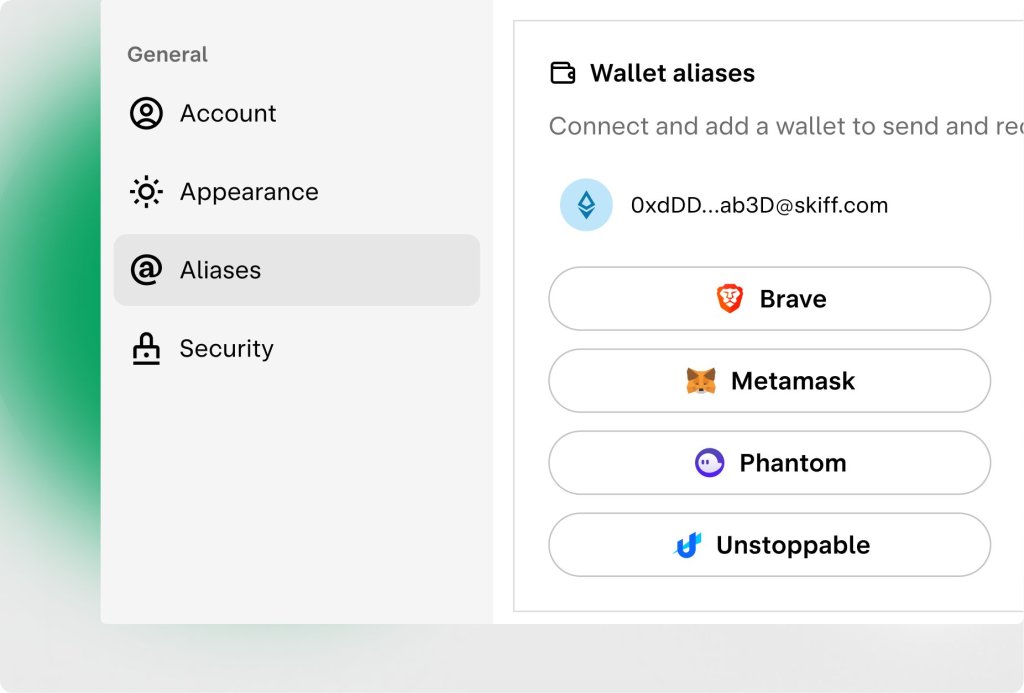
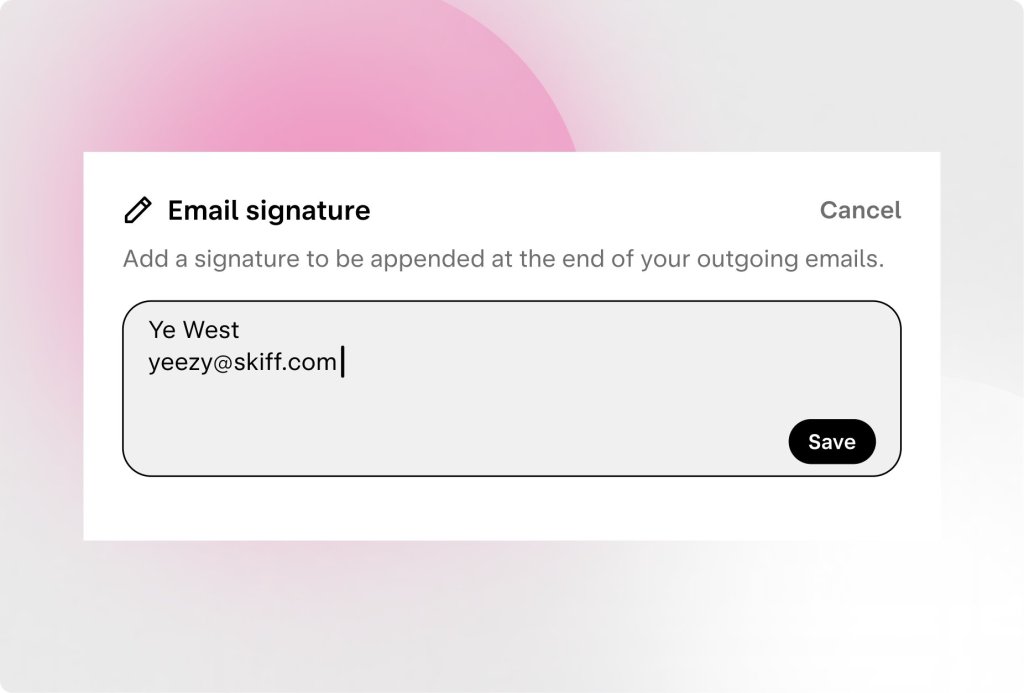
The Skiff and Unstoppable Domains collaboration is the first time NFT holders can securely communicate using their domain as an identity. As we incorporated wallet identity into Skiff, and particularly Skiff Mail, where you can connect multiple wallets to a single Skiff account, we saw UD as a natural partner for Web3-native, end-to-end encrypted communication, where users identity stemmed from data they own (their NFT domain). So, we started collaborating with the UD team on a Skiff login method to start, which evolved into the @ud.me private email forwarding service that we’ve now integrated.
What happens if someone creates an Unstoppable NFT Domain email on Skiff and then proceeds to transfer, sell or rent out their NFT domain to another wallet? Will Skiff automatically delete the email account ? What would happen to the data inside the email? Is there a process of transferring both NFT domain and corresponding Skiff email to a new owner?
Forwarding will be paused, and the new owner can register for a new Skiff account using the @ud.me domain alias.
Skiff has a cool in email search feature that happens only on the user device. Could you please explain this feature in detail and why it is so important?
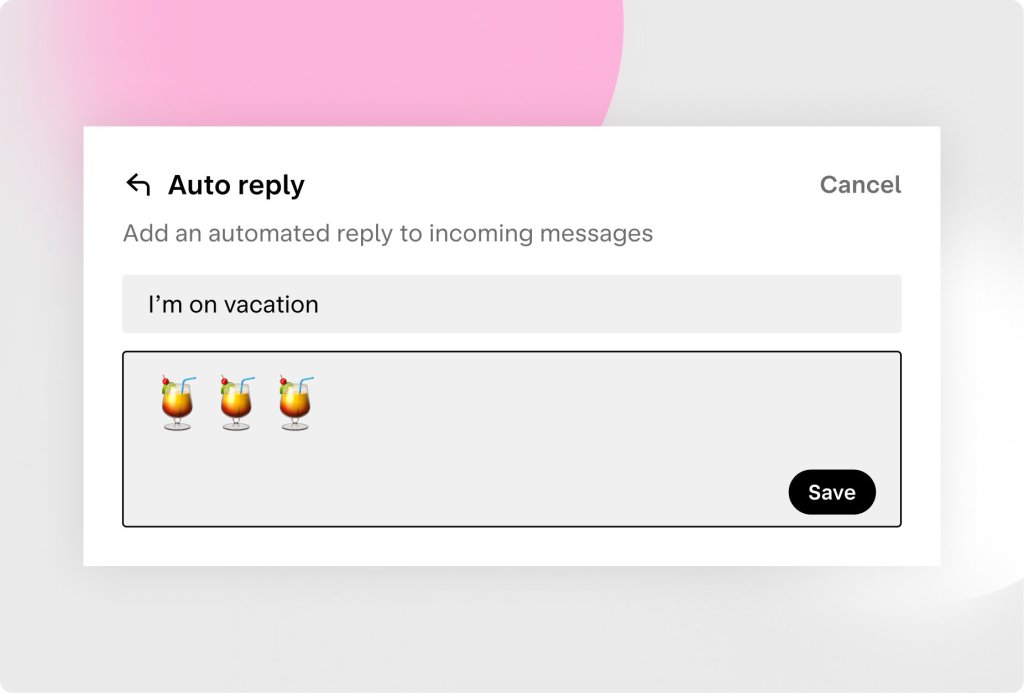
Yes, great question! Skiff’s entire search algorithm indexes and searches through your data client-side – meaning no one else, including Skiff, ever has access to it. Most search algorithms, such as those used by big tech products, require transparent access to all of your data – your emails, your files, your notes – to search. Skiff is the opposite – only you can ever access your data. So, the entire search function requires efficiently indexing your data inside your device and querying it when needed. Skiff’s search code is also open-source on our GitHub.

How does migrating from Gmail and other emails to Skiff work? You have Skiff Pages and Skiff Drive that come with a Skiff Mail. Can you please explain these services and how they can be utilized?
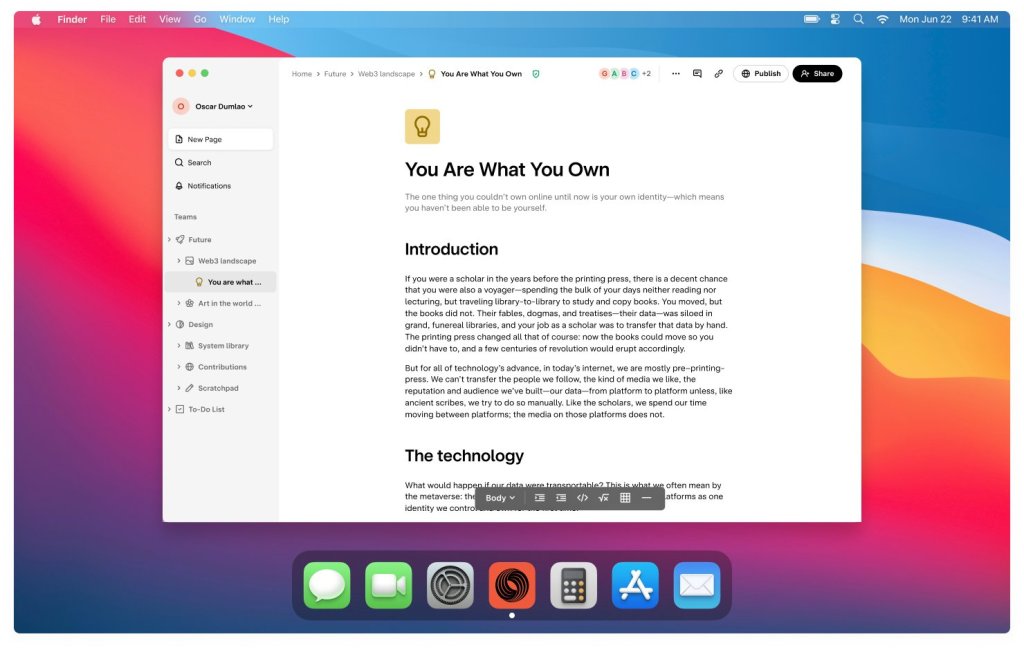
Skiff Pages allows writing and sharing collaborative documents and notes; Skiff Drive enables end-to-end encrypted file upload, storage, and sharing. Generally, our products are intended to enable a fully-prviate way for people and teams to communicate and collaborate. So, migration options are built into each product, including ways to import mail from Outlook and GMail, and automatic functions to import from Google Drive and local files into Skiff Drive and Pages.
Skiff also has an IPFS integration. How do users utilize this on Skiff and why is IPFS important for the email user ?
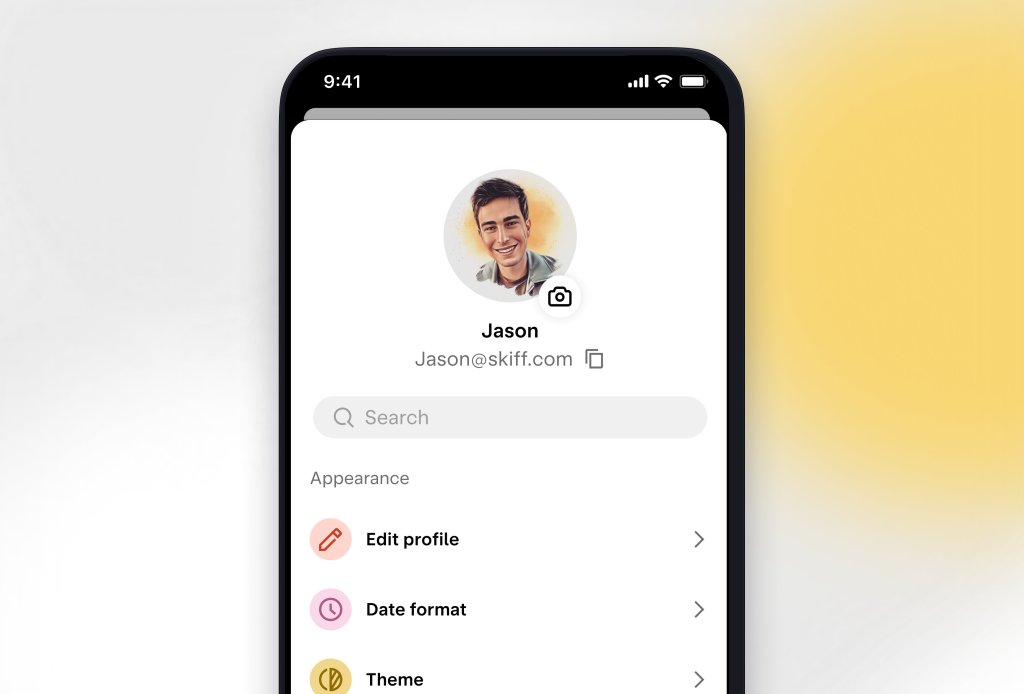
IPFS allows users to store their data on a decentralized network (also end-to-end encrypted). For people who want their data stored on a decentralized network, Skiff is one of the only consumer products that makes this possible. Using IPFS can increase censorship resistance (your data is on the network), data accessibility, and portability.
How does Skiff see the future of web3 in say 10 years from now?
I’m very excited to see how crypto wallets are being integrated inside phones, web browsers, laptops, and the devices and software that we use every day. This starts to make crypto, wallets, and Web3 a main source of identity that we use in our day-to-day life. So, I see that continuing and becoming a big part of how Web3 evolves in the next few years. I’m also excited to see how many companies, including UD, MetaMask, and more, are starting to focus on giving users more utility out of their wallets, NFT, and Web3 protocols to bring about more mainstream adoption and collaboration!

 Ordinals
Leave a comment